
November 2025 – Part 1, Delaware
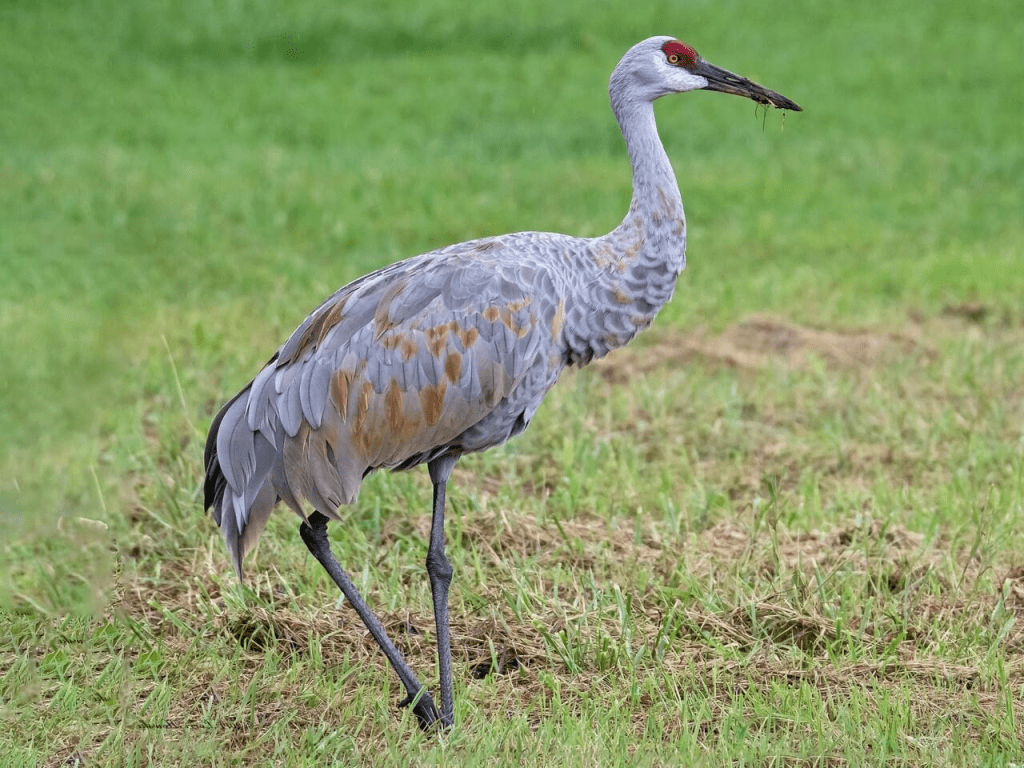
For November, I decided to split a longer trip into 2 smaller ones. The first was to the Central DE area including Bombay Hook NWR, Little Creek WMA, Port Mahon Road, Tuckahoe State Park in MD, and finally Kent Island, MD. I left on 10 Nov for DE. The weather was decent but getting chilly, only near 57F. Breezy conditions as well on this one. However, I got off to a good start, finding 70 species in DE including 2 Sandhill Cranes, 3 Western Sandpipers, 2 Marbled Godwits, and great looks at winter plumaged Semipalmated Sandpipers. No Snow Geese were present. I saw a pair of Tundra Swans and some more common species like Gadwall, and Shoveler. At Little Creek WMA, around 200 American Coots were present. A nice group of Pied-Billed Grebes as well. That was the only location I saw Ruddy Ducks. Then on day 2 conditions deteriorated. A front came through, and winds got much stronger, and temperatures fell dramatically. The morning began in the 30s. The wind was about 20 mph, gusting over 35 mph. Those conditions persisted throughout the next 2 locations in MD where I called it on Kent Island. I could not keep the binoculars steady, nor the scope. I only managed another 6 species that included Bufflehead, a Sharp-Shinned Hawk, and both American and Fish Crow. I was happy to call this one and head home from here.
November 2025 – Part 2, Maryland & Virginia
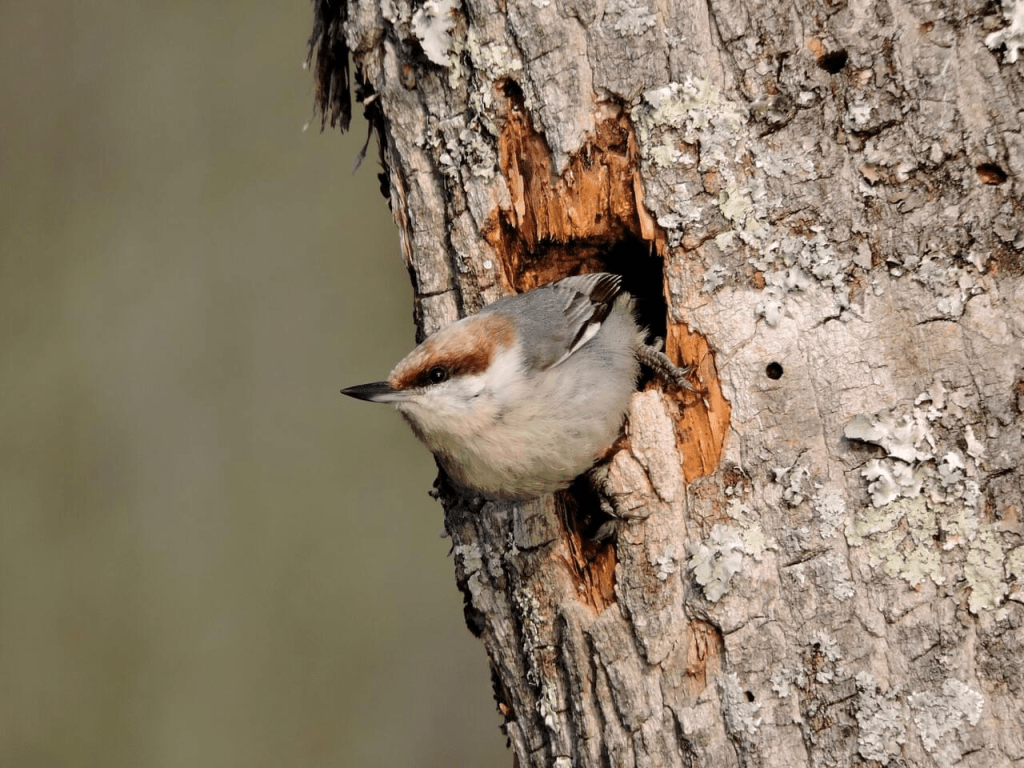
For November, I decided to split a longer trip into 2 smaller ones. The second was to the Ocean City Inlet MD, Assateague Island National Seashore MD, Chincoteague VA, then on through Blackwater NWR MD, and finally Sandy Point State Park MD. I arrived in Ocean City, MD by 0800. The weather was decent but getting windy, only near 48F. However, the inlet is always a great place to birdwatch with its jetties and mixed currents. I saw a lot of Brant, Loons of both Common and Red-Throated variety, Buffleheads, and a nice Merlin crossing the inlet. There were American Oystercatchers and Ruddy Turnstones on the jetty itself. I moved down toward Assateague after and found Brown Headed Nuthatch, and a lot of Gannets fishing offshore. The wind was difficult so seabird watching was a bit compromised. I finished the first day at Chincoteague. The refuge was ½ closed for hunting but opened in the afternoon. I walked/hiked a bunch of trails here and saw many White Ibis, Eastern Meadowlarks, and a ton of dabblers, mostly Mallards and Black Ducks. Day 2 was better weather wise. So, I headed for Blackwater NWR. Always a nice stop. Lots of Bald Eagles around, A large flock of Killdeer. I also saw Pintail, and Green Winged Teal. Heard a lingering Clapper Rail. But a less than spectacular list for this trip. Single Fox Sparrow, and finally nice flocks of Snow Geese were seen but 84 total species was a bit of a disappointment. That’s why we go out often.
October 2025 – North Carolina
I embarked on a trip to Outer Banks area of NC for Oct. The weather was especially nice but very windy for the first 2 days. Temps were 60s and 70s. I stayed in Nags Head but radiated out from there, visiting Pea Island National Seashore, Alligator River NWR, Mattamuskeet NWR, Perquimans River, and Pocosin Lakes NWR. A total of 107 species was seen over 3.5 days. I logged over 20 miles of hiking and many hours stationary at certain locations. Of the 107 species, there were Black Scoters in the littoral zone, Yellow-Billed Cuckoo, Piping Plovers at Oregon Inlet, and Marbled Godwits. I had great looks at Sandwich Tern, Tri-colored Heron, and Brown Headed Nuthatch. An American Pipit fell out and stayed briefly along the South Pond at Cape Hatteras National Seashore. I heard some Lincoln Sparrows near Mattamuskeet NWR, and saw quite a few Wild Turkeys and Eastern Meadowlarks inland. The wind kept it from being overly buggy since mosquitos are still around. I did establish a new October record for species seen with this trip.
September 2025 – The Fall Count
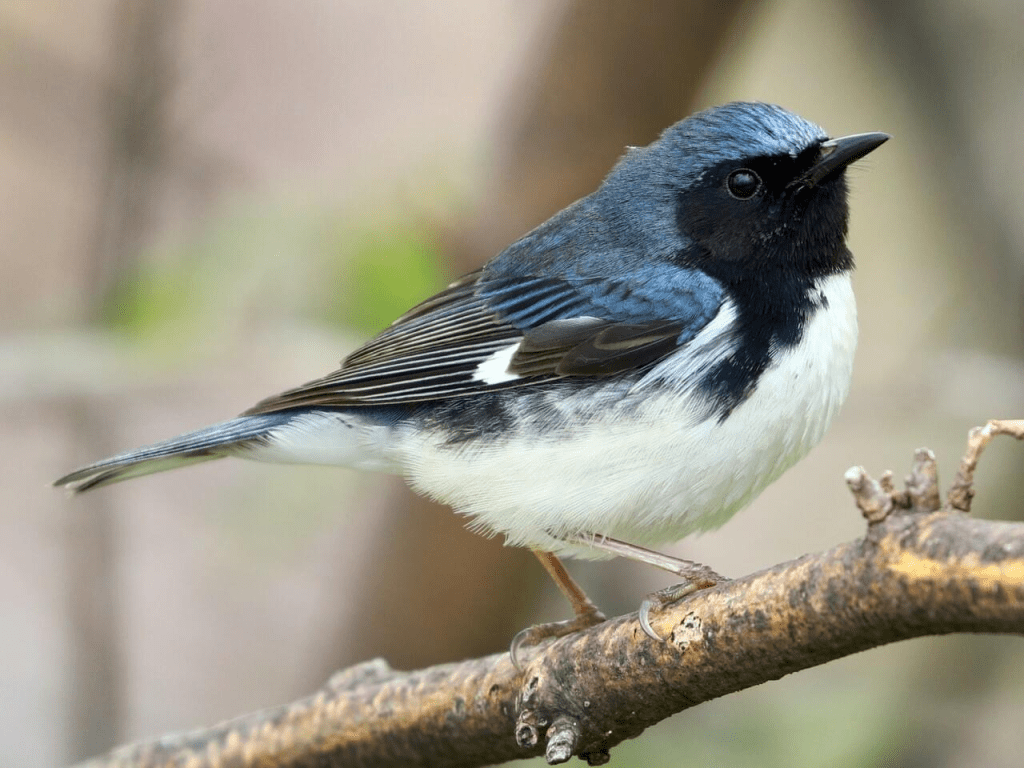
This year’s Fall Count sponsored by the National Audubon Society was held on 20 Sep 2025. As always, I try to count in an assigned area each year. This year I was assigned Areas 7A and C in Howard County. The sites are in very close proximity to my home, so these are super convenient. Sub-areas included several “hot” spots in the Sewell’s Orchard area and the Elkridge area. Weather was fine, starting in the 60s and finishing at about 77F. A total of 46 species was seen throughout the day while I walked over 10 miles. The count concluded around 1500. I managed to see a flyover adult Bald Eagle, a couple of Common Ravens which seem to have moved into the area now, as they are reliable each year. About 7 species of warblers were seen, including Blackpoll, Magnolia, and Black-Throated Blue. However, its always interesting at the end and then noticing fairly common species NOT seen. This year, Cedar Waxwing was missed and no Mallards. That’s why its always fun to get out there because every count has its own personality.
September 2025 – New Jersey & Delaware
For this month, I set out for Cape May, NJ on 11-13. I decided to go the long way and start at my favorite, Bombay Hook (BBH) NWR. Started early to get there by sunrise. It was lightly raining when I left but that stopped once I got over the Chesapeake Bay Bridge.
No Roseate Spoonbill this time however, a pair of Sandhill Cranes were there. Some shorebirds and waders remained but numbers were down from the August trip. I managed to see a Black Crowned Night Heron in immature plumage and a few warblers; Yellowthroat, Redstart, Parula. At Port Mahon, I added a Harrier and Spotted Sandpiper. Then off to Prime Hook NWR where I found Pine Warbler and Brown Headed Nuthatch among some common birds.
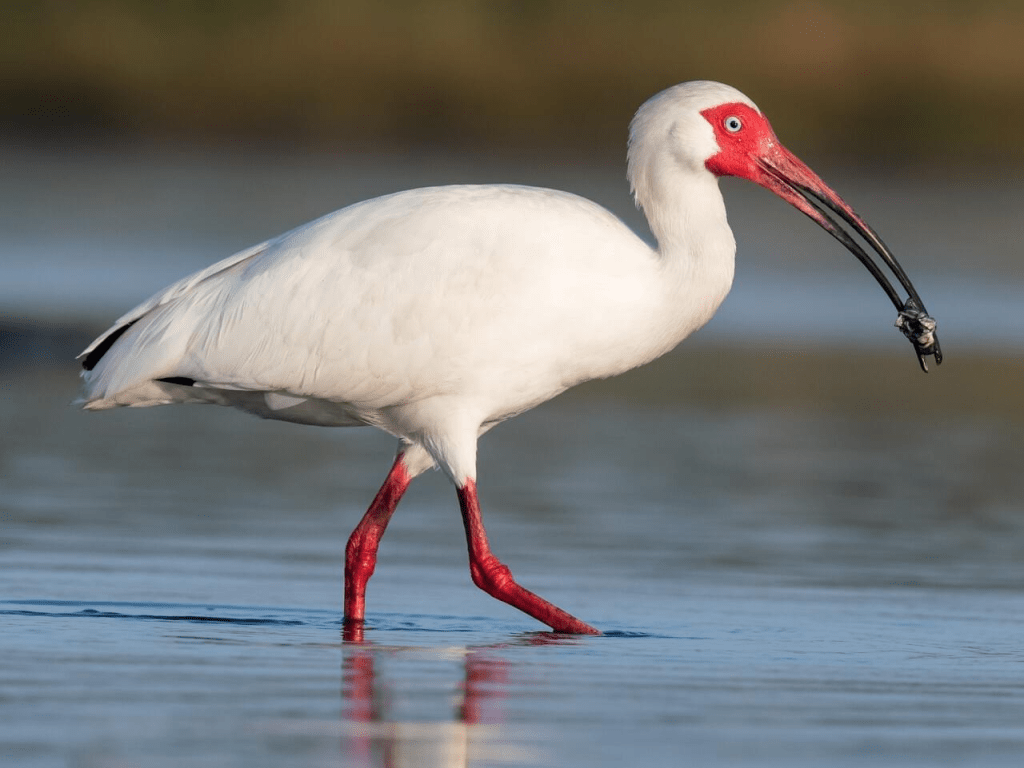
I made my way to Cape Henlopen, DE where I saw Merlin, White Eyed Vireo, and Yellow Breasted Chat among others. Then off to the Cape May-Lewes Ferry to cross the Delaware Bay. On that journey I was excited to see not just Lesser Black Backed Gull but also a Fin Whale and lots of Bottlenose Dolphins. As I arrived at camp in Belleplain State Forest, NJ, a Wood Thrush was calling. Finally, things got fun at early both mornings at Cape May. I added 10 species of warblers including a Nashville and Bay-Breasted. I encountered some more migrating raptors like Merlin and Cooper’s Hawk along with lots of Ospreys. I also had a huge flight of at least 75 White Ibis. The trip ended with 115 species logged and about 480 miles of driving, while over 20 miles of hiking took place.
August 2025 – Delaware
Well, the plan this month was to travel to the Outer Banks for a few days. But the plan was scrapped due to Hurricane Erin hanging off the coast that caused flooding and evacuations in the area. So I settled for a trip over to Delaware and my favorite hot spot, Bombay Hook (BBH) NWR. The day was cloudy, breezy and cool but the Hook never disappoints.
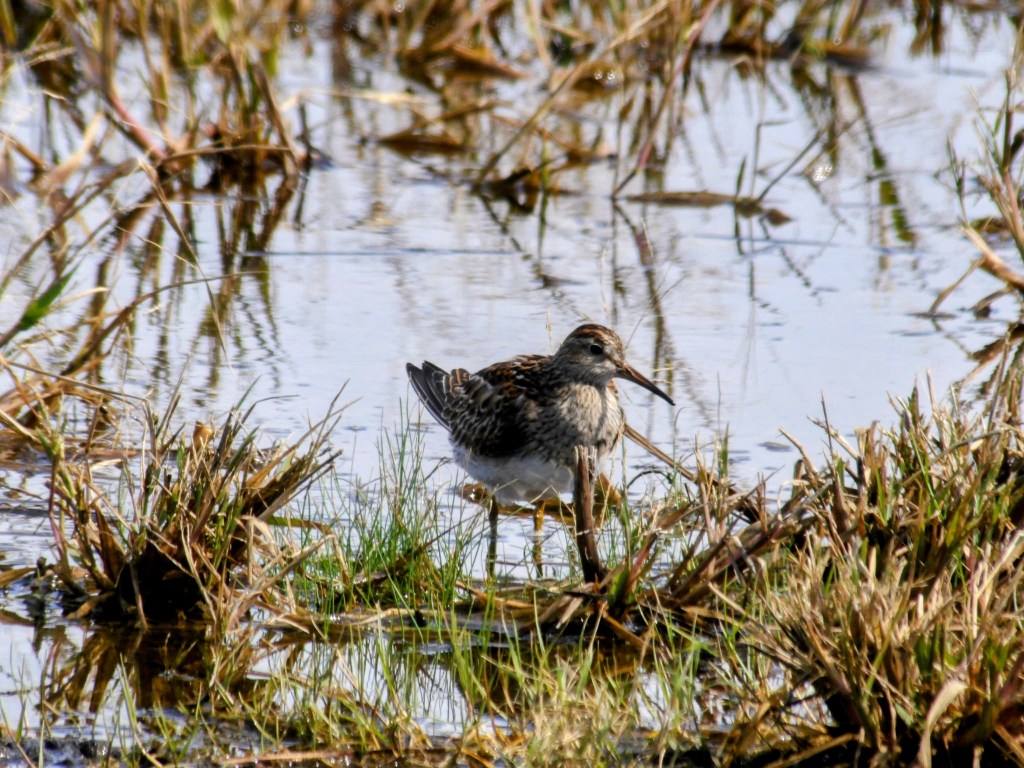
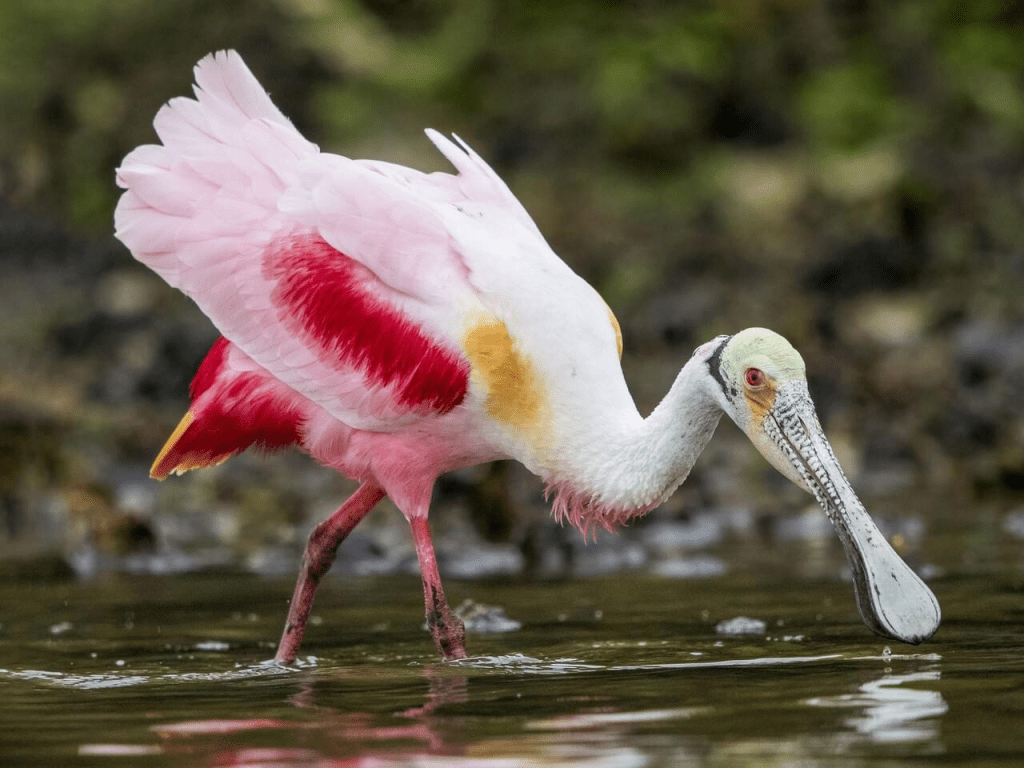
Of the 97 species observed over 2 days, Roseate Spoonbill was the highlight followed by Black Swan. I last saw Black Swan in Hawaii where they were introduced a long time ago, so non-native. This one is listed as a second-tier possibility at BBH this time of year but these swans are native to Australia. In any case, good shorebirds and waders were also seen including Western Sandpiper, Stilt Sandpiper, and Pectoral Sandpiper. Few landbirds seen despite extensive hiking. I expected some fall warblers but only encountered Yellowthroat. The second day I tried for Brown Booby at Eastern Neck NWR but to no avail, before returning home.
July 2025 – Montana
I took off from Columbia, Maryland to Billings, Montana from 7-18 of July. Part of the trip was designed to meet a long-time friend of mine I hadn’t seen since the early 2000s. But most of the trip was birding and camping all the way out and back. The trip began in warm and humid conditions and ended that way too. But temperatures ranged from the upper 30s to 90s. I was prepared for all of it.
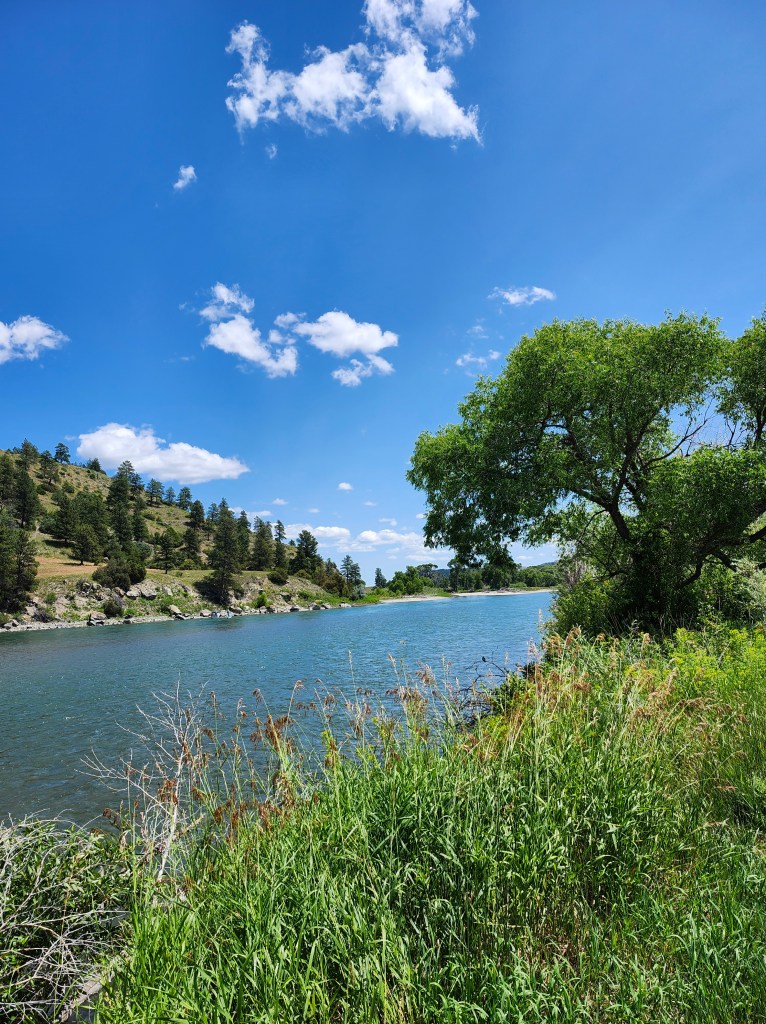
The trek – which took me to West Yellowstone, MT as the farthest point in the west – was one worth completing. I listed 179 species of birds and saw many of the large mammals associated with the west, including Bighorn Sheep and Moose. I enjoyed good looks at Prairie Dogs, Ground Squirrels of a few species, and lots of Pronghorn. It was interesting witnessing the changes in terrain and habitat along the route.
The outgoing route took me from MD, through OH, IN, IA, SD, MN, ND, and into MT. The return route took me through WY, SD, IA, IN, MO, KY, WV, and back to MD. I ended up visiting over 75 parks, refuges, nature preserves, and recreation areas. Diverse habitat was the goal, and it didn’t disappoint. Highlights from the bird sightings included Chestnut-collared Longspur (lifer), Black-headed Grosbeak, Western Tanager, Bell’s Vireo, White Pelican, and Ferruginous Hawk. The breeding waterfowl were numerous in the potholes of ND as I was passing through, with great looks at adults and young of Lesser Scaup and Red- Necked Grebe. Western Grebes were also numerous.
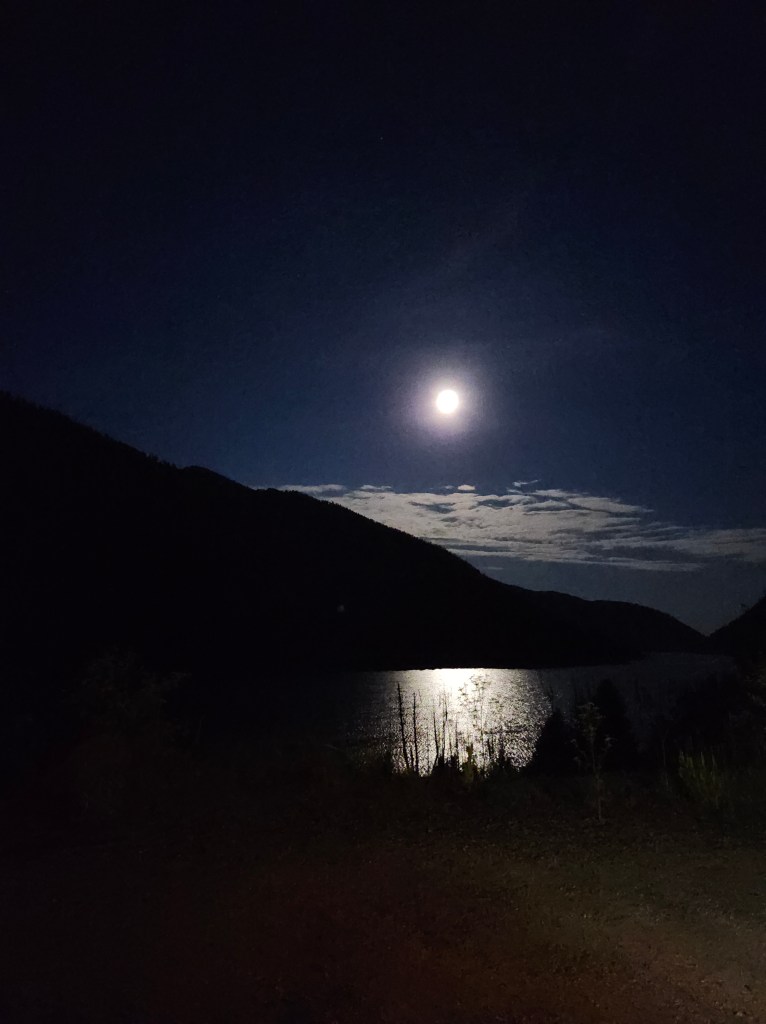
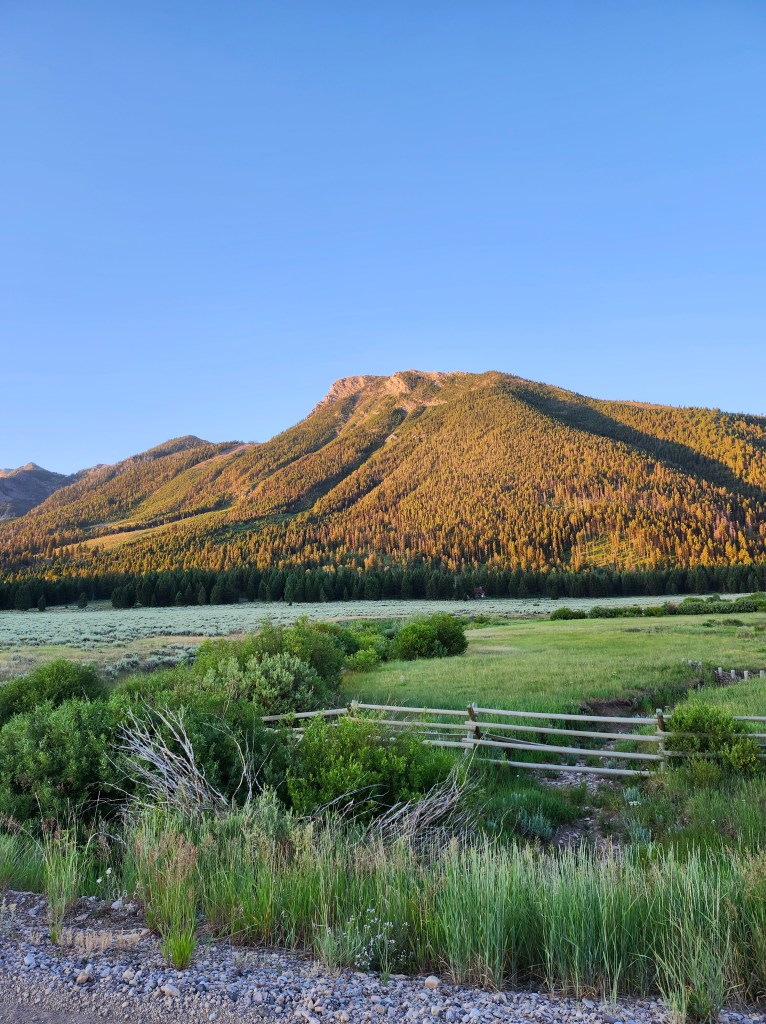
After 4,000 miles of driving over 12 days, I was happy to return home to family, rest, my bed, and routine. But as always, now I begin planning the next long trip. Stay tuned as I keep the blog updated. Enjoy some pictures from the trip!
June 2025 – California
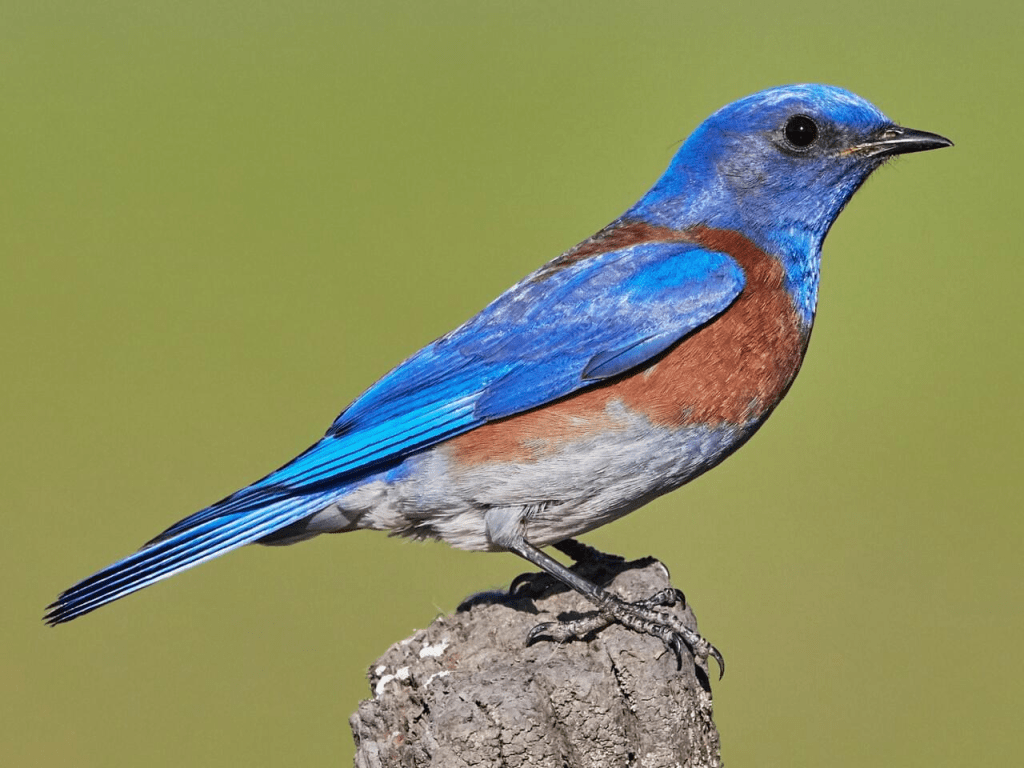
From the 31st of May to June 7th, Marilyn and I spent some time in San Fransico, CA. Though not specifically a birding trip, coastal CA is always a haven for different species. So, with binoculars with me during most of our sightseeing, I was able to see some special birds. Among them was Stellar’s Jay, California Towhee, Pigeon Guillemot, Red-masked Parakeet, Western & California Gull, Allen’s Hummingbird, and Nutall’s Woodpecker. Most of these were in and around the Golden Gate Park.
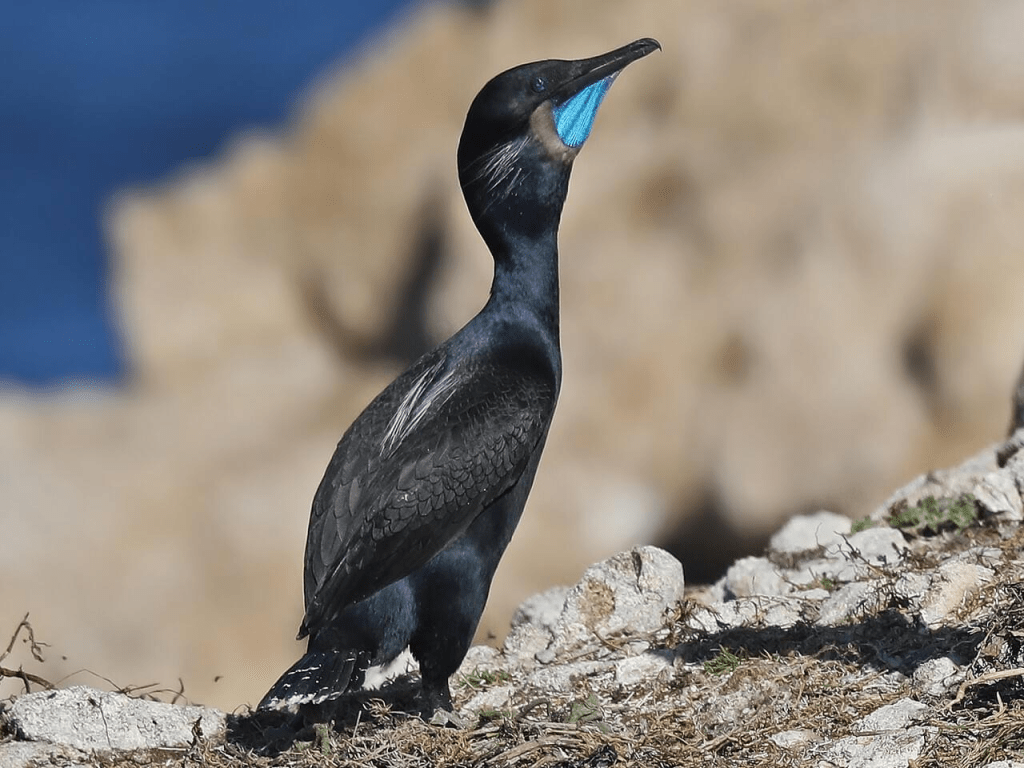
On our Alcatraz tour, hundreds if not thousands of Brandt’s Cormorants were breeding, and their nests and chicks were super noisy. Also on the island were Black-Crowned Night Herons and Brown Pelicans, among others. It was fun to see the Pacific Wren at Muir Woods in the understory of the Coastal Redwoods. Those woods are fabulous to see. Wilson’s Warbler was also present there. I could have spent hours birding that location but alas, I had to get back on the tour bus. In all, I found 5 lifers on the trip which isn’t bad considering birding was not the primary activity.
May 2025 – Maryland & Delaware
On May 15th, I took to the road again for spring migrants. It began very humid and a bit wet but ended dry on May 17th. Stops along the way included Susquehanna State Park in Harford County, MD; Cedarville State Forest in MD, Blackwater NWR, and Jug Bay Wetlands in MD. Over in Delaware, I birded most of the stops along the Route 9 birding trail. The largest time allotment was to Bombay Hook NWR, and Prime Hook NWR. I had to wait out a rainstorm at Prime Hook, but finally did get a small hike in. In all, I logged over 15 miles of hiking and over 200 miles by auto. I logged 132 species on the trip, a new record.
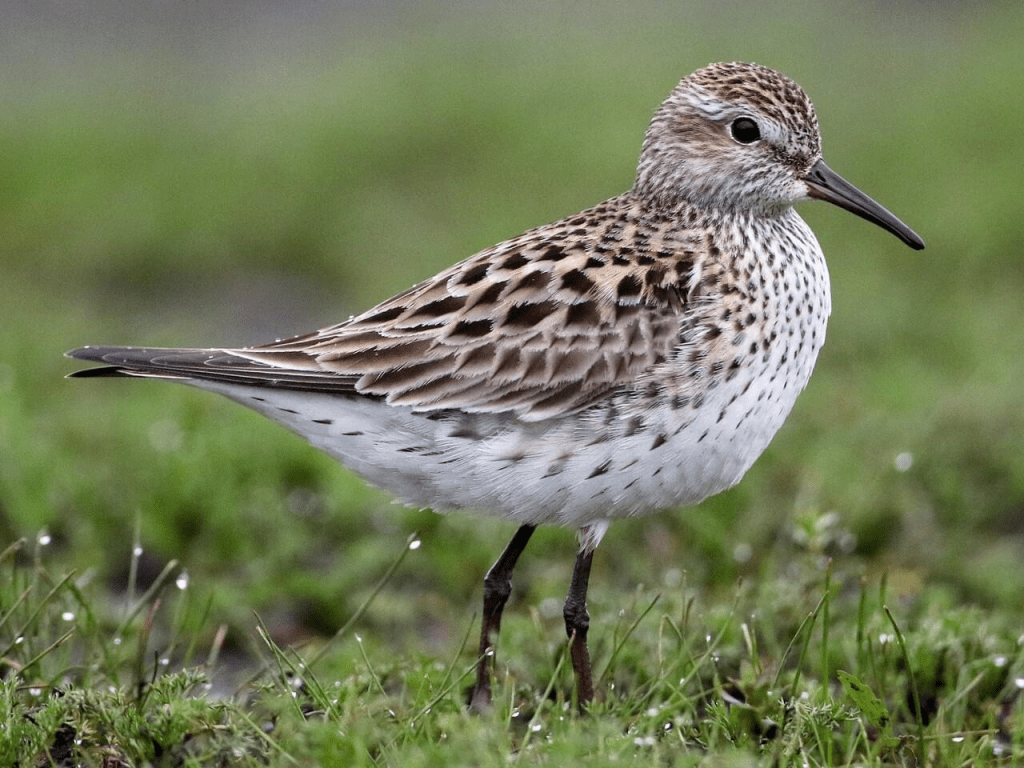
Favorite birds encountered included White-Rumped Sandpiper, Red Knot, Bay-Breasted Warbler, Prothonotary Warbler, Common Nighthawk, and Whippoorwill. Lots of migrants around as expected. Found all the eastern Swallows. Had a singing/calling Red-Headed Woodpecker. I observed both Scarlet, and Summer Tanagers, Glossy Ibis, and Black-Necked Stilt. It was great camping at Cape Henlopen, Delaware, and then at Cedarville State Forest. Great campsites and accommodation. May is always a great month to get out – not yet crazy with biting insects which will be in full force in June and throughout the rest of summer.
May 2025 – The May Count
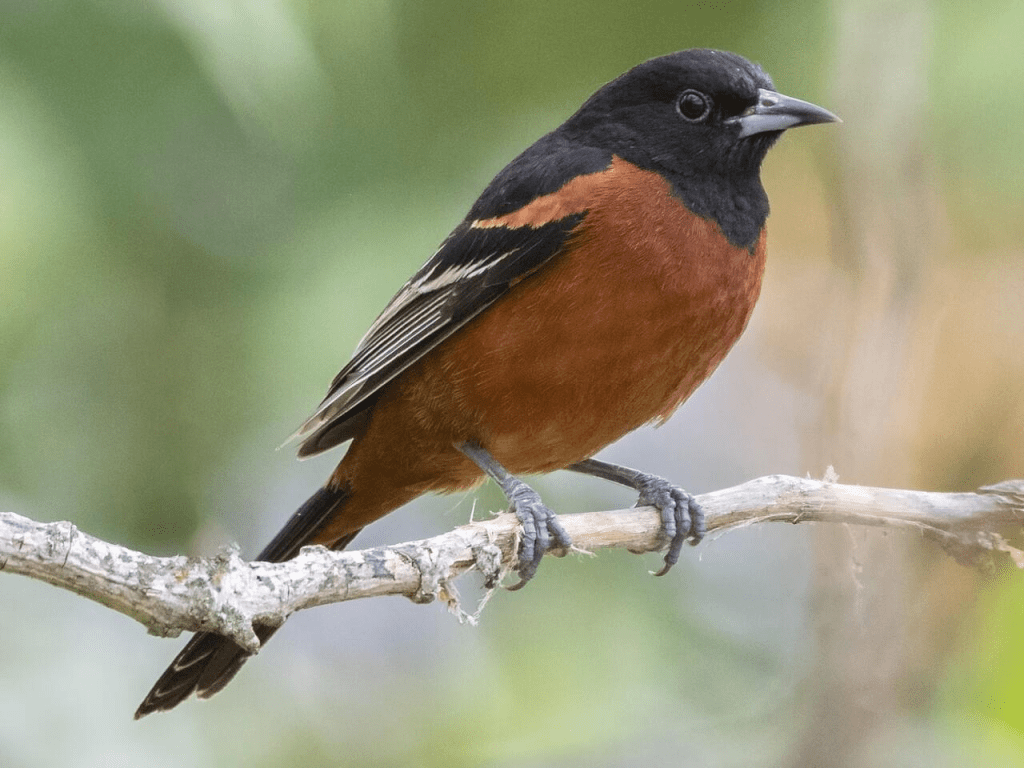
On May 10th (Global Migratory Bird Day), I served as the Area 6 Coordinator for the Howard County May Count in Maryland. The area is mostly suburban but encompassed a couple of interesting parks. I birded with 2 new birders to the club, Bill and Melissa Crew from Elkridge. They were not as familiar with either the procedures of a May Count nor the species but we had a very nice day birding. We were hiking about 3 hours in total and tallied 58 species. Some of the great looks we had included Orchard Oriole, American Redstart, and Baltimore Orioles. A Solitary Sandpiper occupied an impoundment at the Meadowbrook Industrial area, as did a couple of Blackpoll Warblers and Spotted Sandpiper. We had great looks at Northern Rough-Winged Swallow also. We concluded the count after 11:00. Since I am coordinating the entire area, my next task was to tally all of the different counters field lists and submit them to the Count leader at Howard County Bird Club. Over 8 counters covering many square miles in varied habitat submitted their lists. The next count will not be until September when fall migration is in progress.
April 2025 – Maryland
On April 13th, I took to the road for a birding/camping trip to MD’s Eastern Shore. The trip took me to Eastern Neck National Wildlife Refuge (NWR), Blackwater NWR, Jane’s Island State Park, Assateague National Seashore, Pocomoke River State Park, Tuckahoe State Park, the Chesapeake Bay Environmental Center, and finally, Terrapin Nature Park.
I camped out at Jane’s Island and Tuckahoe State Park. The trip covered over 500 miles of driving in 3 days, and over 12 miles of hiking throughout. A variety of habitats from deciduous and pine forests to beaches were encountered. The weather was mostly good, with a little rain in the evening on Day 2. A bit cool to start, but warmed up by Day 3. Breezy conditions for all three days. I was pleasantly surprised by a couple of rarities for this time of year at Assateague, including Chuck-Will’s-Widow and Common Nighthawk. Both birds were calling near dawn. They are likely more common in May, but these two were early.
I had fun camping the first evening with both Great-Horned Owls and Screech Owls calling the first evening, then Barred Owls the second evening. Plenty of waterfowl still around, but I was more interested in seeing early spring arrivals. The locations did not disappoint. Sightings of Yellow-Throated Warbler, Black and White Warbler, and Blue-Gray Gnatcatcher. I also saw an early Wood Thrush. A Merlin was observed at Blackwater, and a pair of Tri-colored Herons at Assateague. All in all, 104 species were observed over the trip. Picture of a moonset and a Merlin below.


March 2025 – Maryland
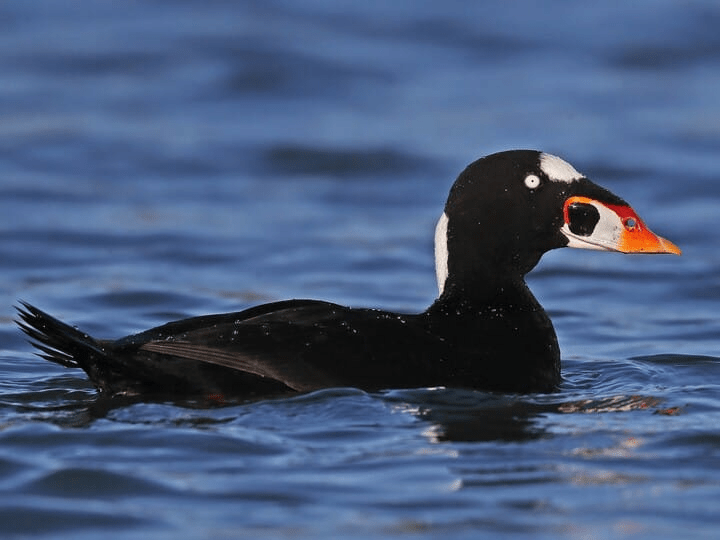
My March birding trip this year was focused on the Western Shore of Maryland, particularly near Sandy Point State Park in Anne Arundel County. I also birded the Bacon Ridge Natural Area. A shorter trip to be sure but always great to get out. No overnight. No specific target species. I was able to find, despite windy conditions on the Chesapeake Bay, about 47 species. Highlights were great looks at Gadwall, Canvasback, Greater and Lesser Scaup, Surf Scoters, and Common Goldeneye. Horned Grebe, Bufflehead, and Ruddy Ducks were also observed.
February 2025 – Texas
So, this month I decided to take a long journey to coastal Texas and try for Whooping Crane. They spend the winter at Aransas National Wildlife Refuge. My journey down took me through Virginia, West Virginia, Tennessee, Alabama, Mississippi, Louisiana, and on to Texas. I camped on this one most of the way, but added a couple of hotel nights to clean up. It rained heavily during both of my nights in Tennessee on the way down and the way back. Had some additional snow and ice on the way back in West Virginia. The rest of the trip was rather warm and muggy near the coast.
I saw some very good birds, tallying 121 species in all and submitting 36 checklists which generally represent different locations. Visited some very cool places including Great Smoky Mountains National Park, South Holston Lake, Hunter Swamp, Cherokee National Forest, DeSoto State Park, Bogue Chitto National Wildlife Refuge, Hollister Chenier Preserve, Rockefeller National Wildlife Refuge, Sabine National Wildlife Refuge, McFadden National Wildlife Refuge, Brazoria National Wildlife Refuge, Aransas National Wildlife Refuge, and Rockport.
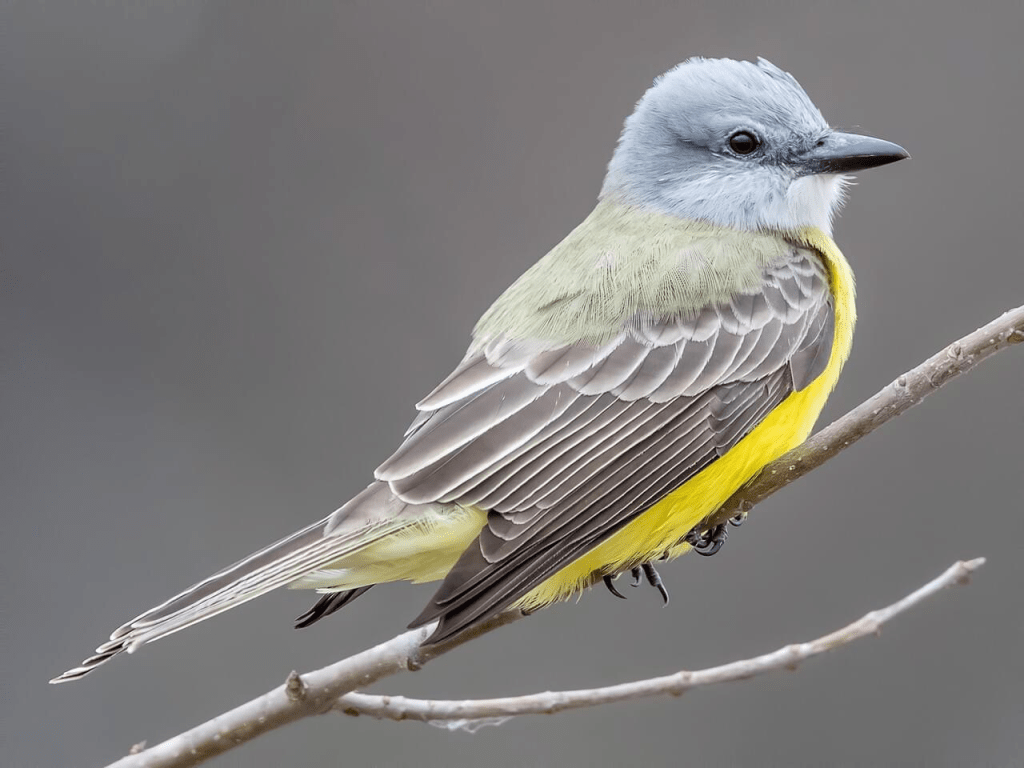
I learned a lot on that trip about camping supplies, and about the amount of miles between birding locations. Ended up driving too much in too little time, and will fix that on the next trip. However, the birds did not disappoint. Very good looks at Whooping Crane, and lots of waterfowl including Mottled Duck, Greater White-Fronted Goose, and Blue-winged Teal. I also found Eurasian Collared Doves, Sora, Eared Grebe, Neotropic Cormorant, White-face Ibis, Reddish Egret, American White Pelican, Golden-fronted Woodpecker, Crested Caracara, and Great Kiskadee, among many others. Life birds – those I had never seen before – included both Whooping Crane and Couch’s Kingbird.
February 2025 – The Midwinter Count
I have been counting on annual recurring Audubon counts of various types over the years. This year I birded my home patch of Sewell’s Orchard ponds during Feb 2025. On these counts, I prefer walking or hiking. It is officially an area count. On this day, I walked 5.3 miles and spent over 4 hours birding. 41 species were observed, none of which were unexpected. However, the highlights were Coopers Hawk, a Bald Eagle, Yellow-bellied Sapsucker, and a winter Eastern Phoebe.

January 2025 – New Hampshire
Well, I thought I would begin my monthly birding trips for 2025 by trying for winter finches and waterfowl in New Hampshire. Centered in Conway, I radiated out and visited many of the parks, wildlife refuges in the area including Umbagog National Wildlife Refuge, White Mountain National Forest, White Lake State Park, Madison Boulder Natural Area, and many more. I drove to the coast also, visiting Great Bay National Wildlife Refuge and Hampton Beach State Park, among other sites.
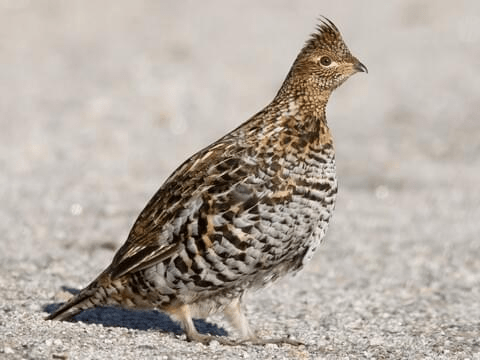
I spent a total of 6 days and 5 nights on this trip. I was not camping as I normally do – it was very cold while I was there. I observed 63 species in all including Evening Grosbeak, a Lesser Black-backed Gull, Bald Eagles, Common Ravens, and some waterfowl including all 3 species of Merganser (Hooded, Common, and Red-breasted), Long-tailed Duck, and Common Eider. I was also treated to a Ruffed Grouse nibbling birch buds at dawn. However, mostly what I saw was snow and ice. I also experienced some very windy conditions also in the area of Mount Washington, which wasn’t surprising, but made birds scarce. All in all, I missed some species I was trying for including Redpoll and Boreal Chickadee, but such is birding. I really try to “slow bird” and enjoy birds as they present themselves to me, and not be overly aggressive at listing.
 raven-quill.com